
The Roots of Religious Suppression
How to Change Your MindThe history of sacred mushroom use reveals a conflict between direct visionary access and institutions seeking to control religious practice.
increasing Bearing strength in each event
 decreasing
Bearing strength in each eventdecreasingAn Indigenous Practice
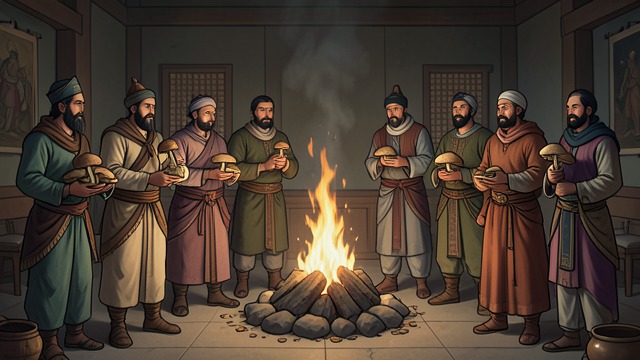
Mushrooms as Sacred Medicine
Local knowledge
Accounts describe Mesoamerican communities using psychoactive mushrooms in ceremonies, healing, and divination. The practice is embedded in a cultural world rather than defined simply as drug consumption.
A different route to meaning
The mushroom can provide direct experience to its participant. That immediacy becomes central to later comparisons with institutional religion.
Colonial Suppression
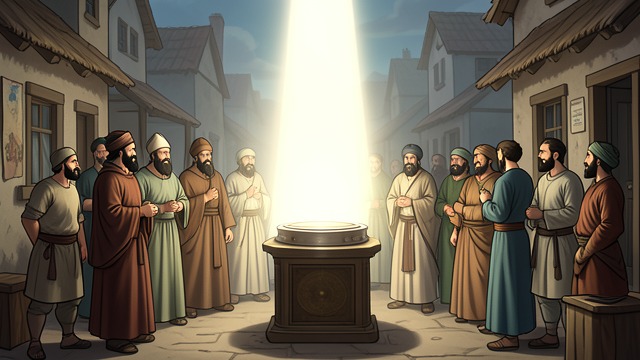
Ritual Meets Church Authority
A threat perceived
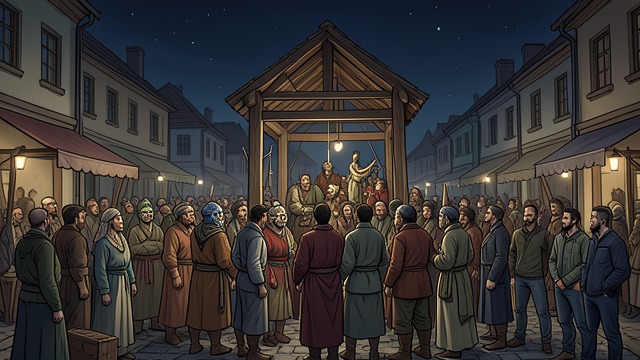
Spanish clergy condemn mushroom use as a rival sacrament and suppress Indigenous practice. Interrogations, destruction of objects, and religious prohibitions push ceremonies underground.
Control over access
The conflict concerns not only belief but who mediates contact with the divine. The book frames suppression as an early struggle over plants, authority, and spiritual experience.
A Surviving Ceremony
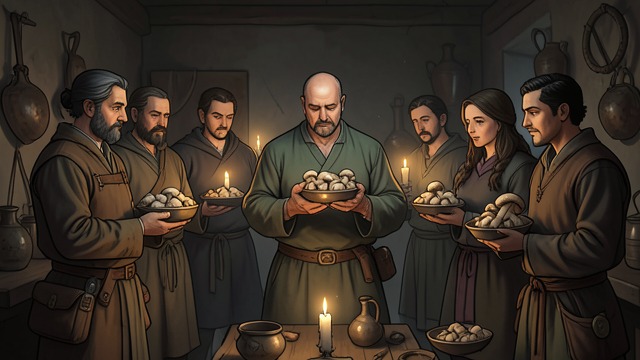
Practice Continues in Secret
A living tradition
The mushroom ceremony survives in southern Mexico, though its purposes have changed and remain tied to local healing. María Sabina’s practice is not simply the ancient religion Wasson hopes to find.
Continuity with difference
The survival of the ceremony shows resilience, but not an unchanged tradition. Outsiders risk imposing their own categories on practices that have developed over centuries.
A Sacrament Reimagined
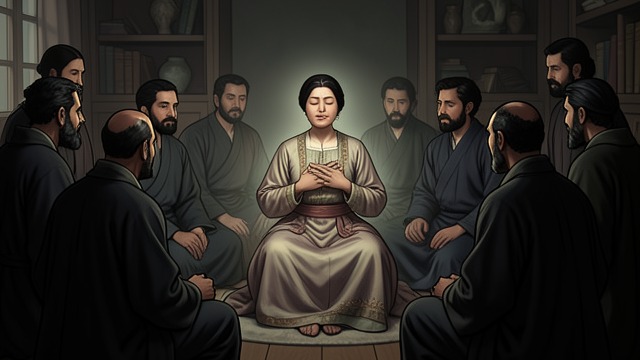
Direct Experience and Interpretation
A visitor’s revelation
Wasson experiences the mushrooms as a powerful encounter with visions and treats the night as evidence for a theory of religious origins.
The host’s purpose differs
María Sabina uses the practice for healing and divination, not simply to find God. The difference exposes how easily a visitor’s spiritual narrative can overwrite local meaning.
The Cost of Being Seen
Exposure and Exploitation
Global attention
Publicity brings visitors, commerce, and disruption to Huautla. A once-guarded practice becomes a destination for outsiders seeking their own revelations.
An ethical remainder
The narrative asks whether documenting a tradition can damage it. Wasson’s regret and María Sabina’s sorrow complicate the celebratory story of discovery.
Before Spanish conquest
During the sixteenth and seventeenth centuries
By the mid-twentieth century
During Wasson’s 1955 visit
After the Life magazine article
